14th century to today
The history of Ripley Castle
Home to the same family for over 700 years, with a priest hole, a deer park, and a famous local legend involving Oliver Cromwell.
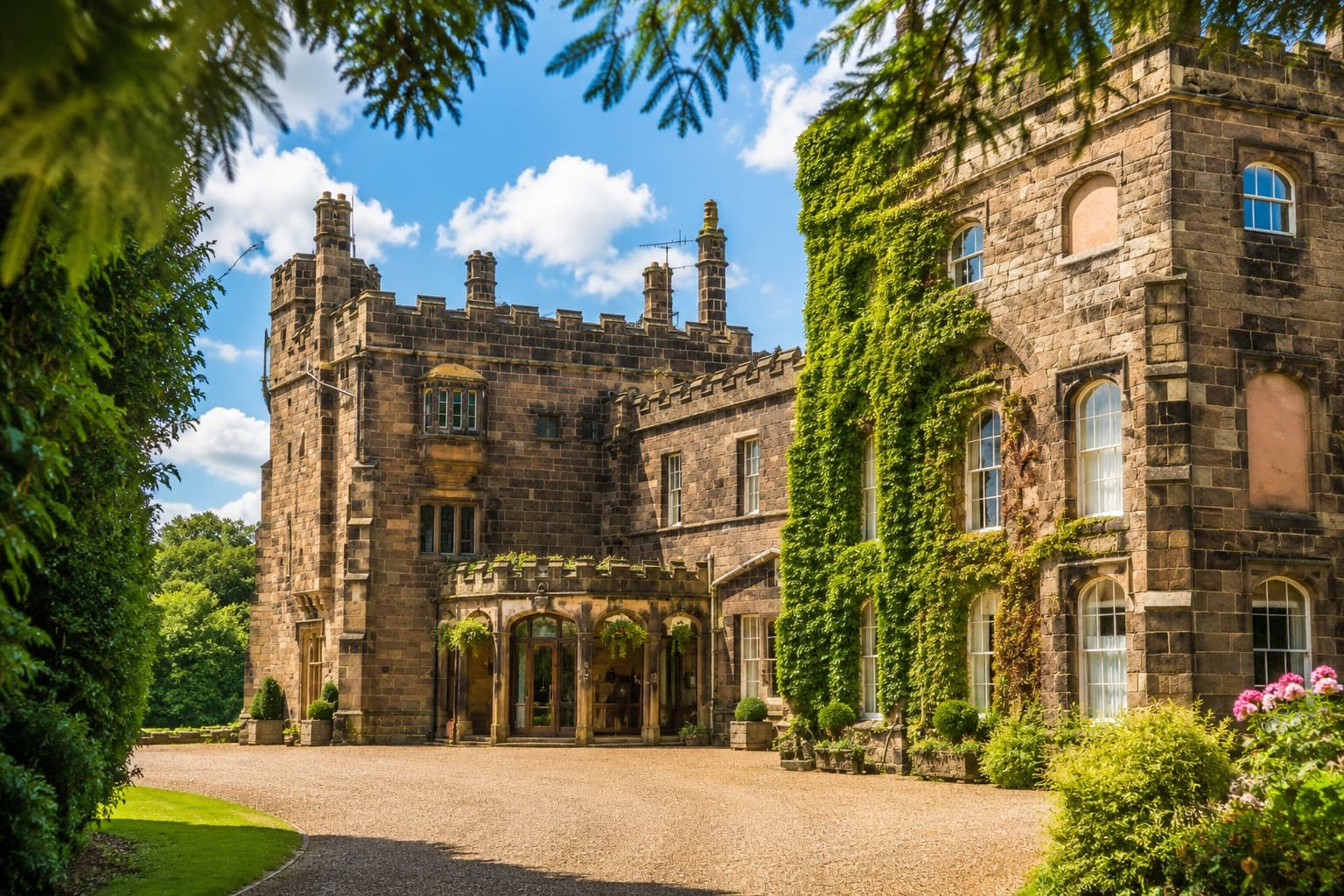
Ripley Castle has been the home of the Ingilby family for more than 700 years, an unbroken line of ownership that is rare even among England's oldest estates. Local tradition holds that the family's rise began in 1355, when Sir Thomas Ingilby saved King Edward III from a wild boar while out hunting in nearby Knaresborough Forest, and was rewarded with land and the right to bear a boar's head on the family crest, a story still told on site today.
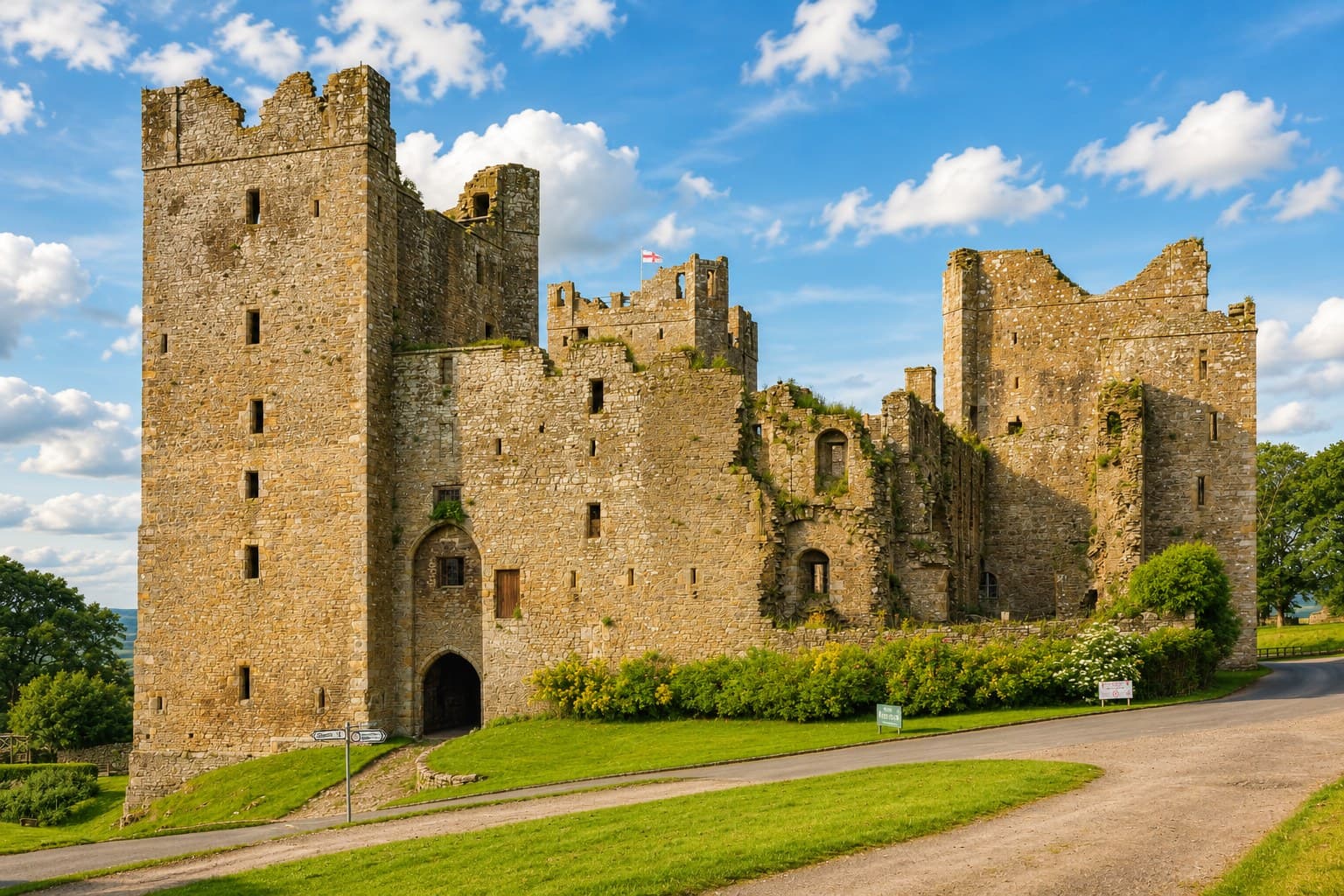
The oldest surviving part of the present castle, a fortified tower house, dates from the 1550s, built during a period when the threat of Scottish raids still made defensible architecture a sensible investment in northern England. The Ingilbys were a prominent Catholic family during the turbulent religious politics of the Tudor and early Stuart periods, and the castle still contains a priest hole, a hidden space built to conceal a Catholic priest from searches during times when practising the old religion openly was dangerous.
The castle's best-known story dates from the English Civil War. After the Battle of Marston Moor in 1644, fought only a few miles away and a catastrophic defeat for the Royalist cause, Oliver Cromwell is said by long-standing local legend to have sought shelter overnight at Ripley Castle. According to the story, he was received by Jane Ingilby, who held him at gunpoint through the night to protect her Royalist household, a tale that, whether entirely accurate or partly embellished over the centuries, has become a cherished piece of the castle's identity.
Today the castle and its 60-acre deer park, walled gardens and lake remain in the Ingilby family, who still live there and open parts of the estate to visitors, including guided tours of the historic rooms and, in spring, a famous display of hyacinths in the walled garden, a tradition started in the 20th century that now draws visitors from across the region.
SEE IT FOR YOURSELF
This history comes alive on the ground. Plan a visit with opening times, directions and what to see.