1622 to today
The history of Kiplin Hall
A Jacobean house built by the man who founded the American colony of Maryland.
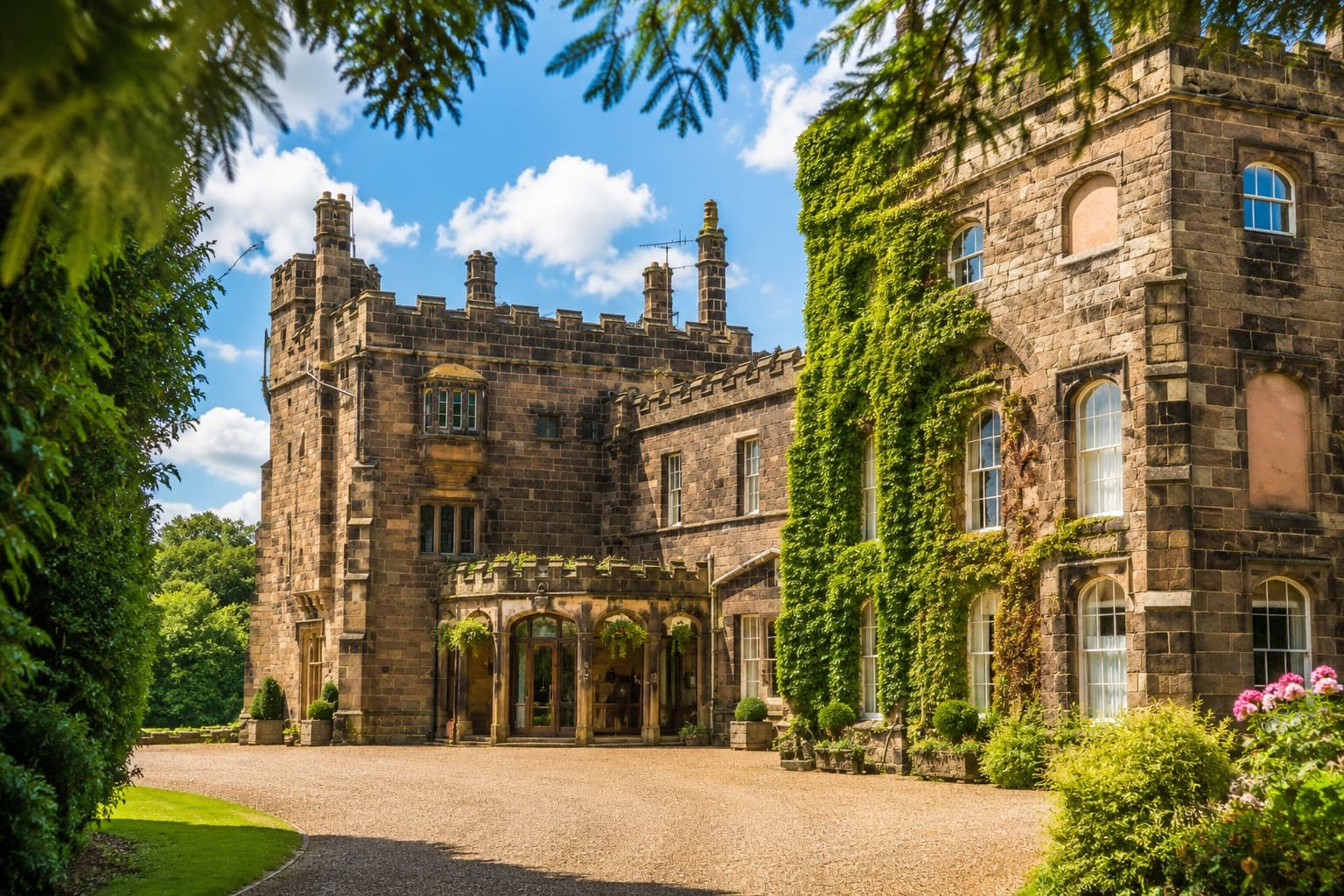
Kiplin Hall was built around 1622 by George Calvert, a successful courtier and statesman who served as Secretary of State to King James I. Calvert is a significant figure in transatlantic history: a few years after building Kiplin Hall, he was granted the title of 1st Baron Baltimore and went on to found the American colony of Maryland, named in honour of Queen Henrietta Maria, wife of Charles I. Although Calvert died before the colony was formally established, his son Cecil carried the project forward, making the family's modest North Yorkshire house an unlikely starting point for one of the original thirteen American colonies.
After Calvert's death the house passed through several different owning families over the following three centuries, with each generation making its own changes and additions, giving the building a layered architectural character that blends its original Jacobean structure with later Georgian and Victorian remodelling. It is this combination, rather than any single period of building, that gives Kiplin Hall much of its character today.
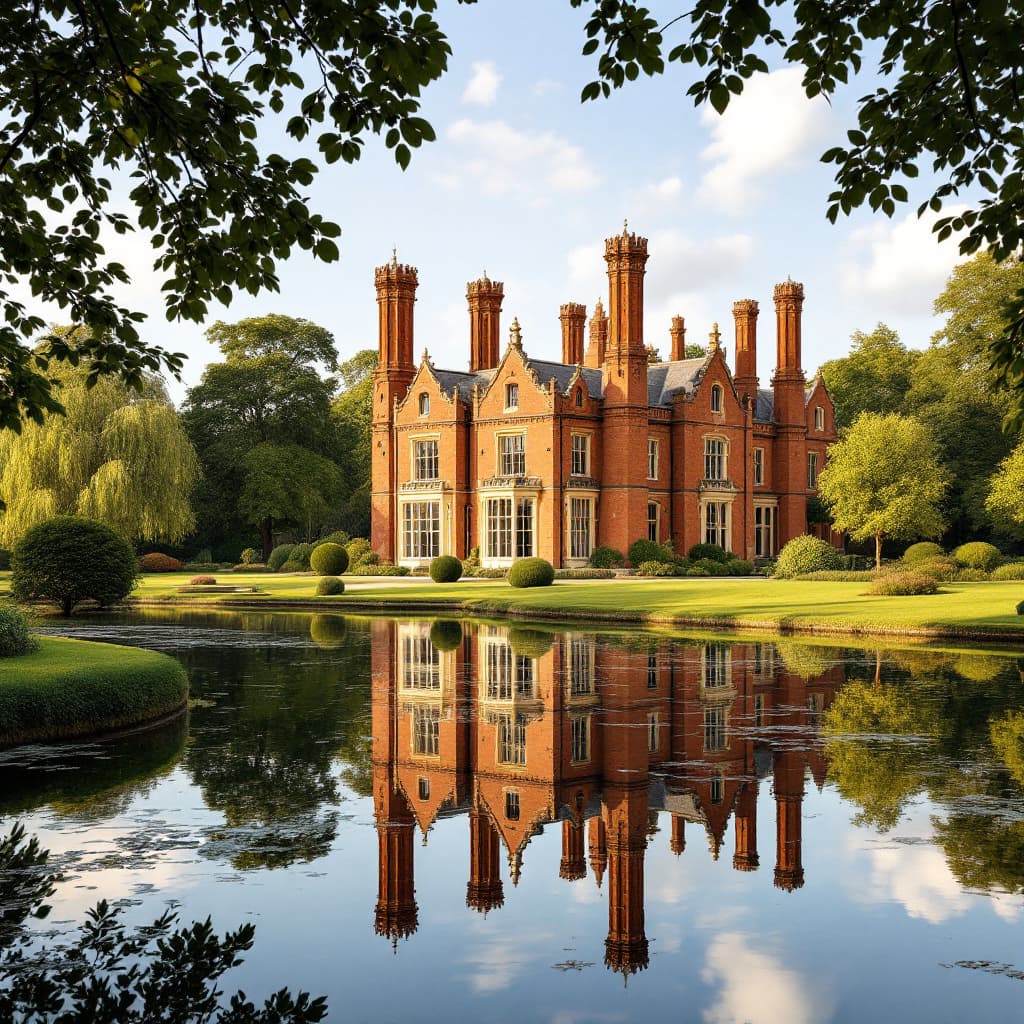
The estate's 90 acres of parkland and lakeside grounds were also shaped gradually over this long period of private ownership, with the lake in particular giving the house one of its most photographed views. The hall eventually passed out of family ownership and was opened to the public, now run as an independent charitable trust, with the house open seasonally from April to October and surrounded by gardens, woodland walks and the lake that has defined its setting for generations.
SEE IT FOR YOURSELF
This history comes alive on the ground. Plan a visit with opening times, directions and what to see.