1820 to 1861
The history of the Brontë family at Haworth
A remote Yorkshire parsonage produced three of the most significant novelists in English literature within a single decade.
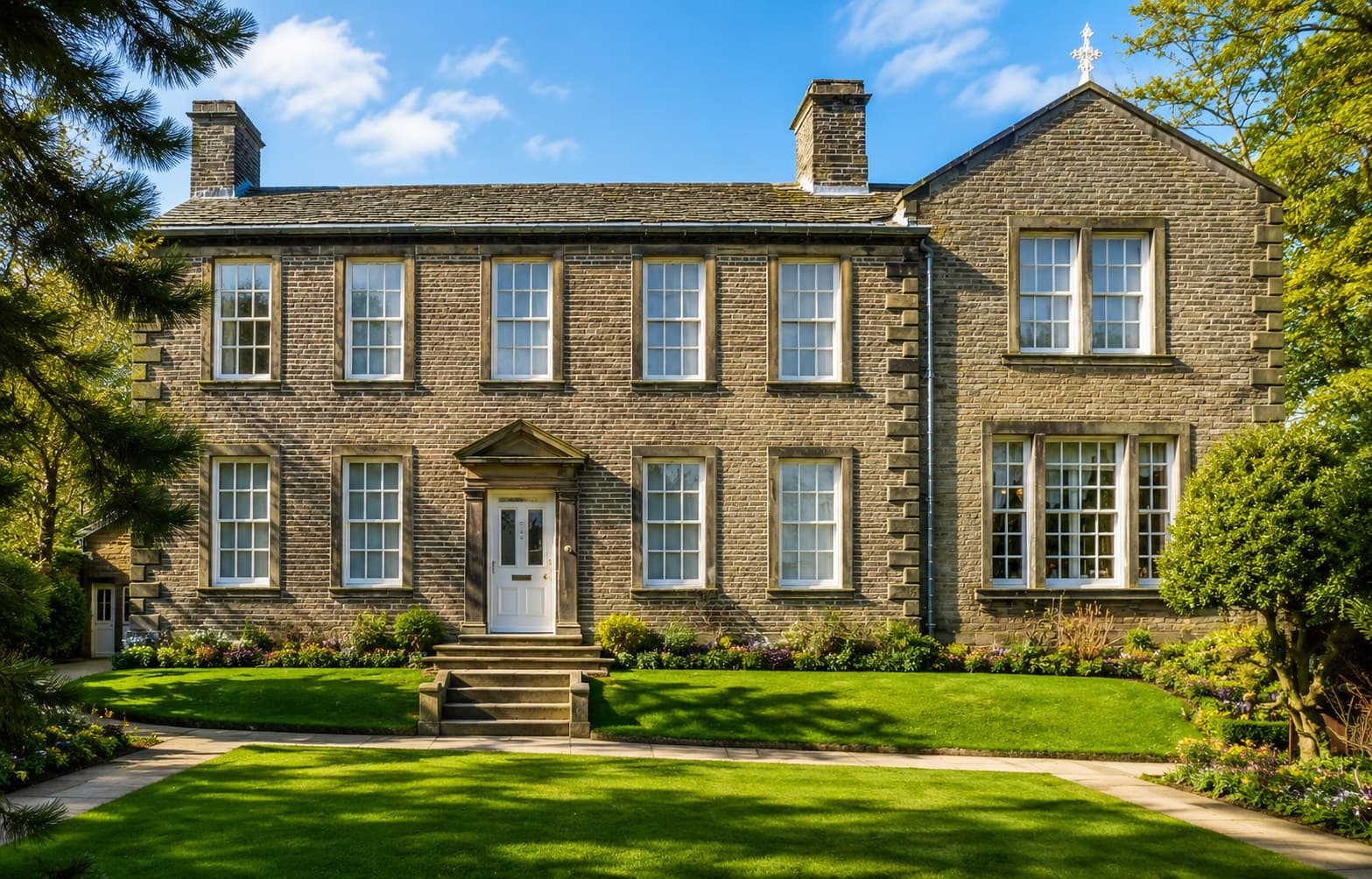
The Brontë family moved into the parsonage at Haworth in 1820, when Patrick Brontë took up the position of rector in the moorland village. He brought with him his wife and six young children, including Charlotte, Emily, Anne and Branwell, who would go on to become some of the most significant writers in English literature. Tragedy struck quickly: their mother died the following year, and the two eldest daughters died in childhood after a brief, unhappy spell at boarding school, an experience Charlotte later drew on for parts of Jane Eyre.
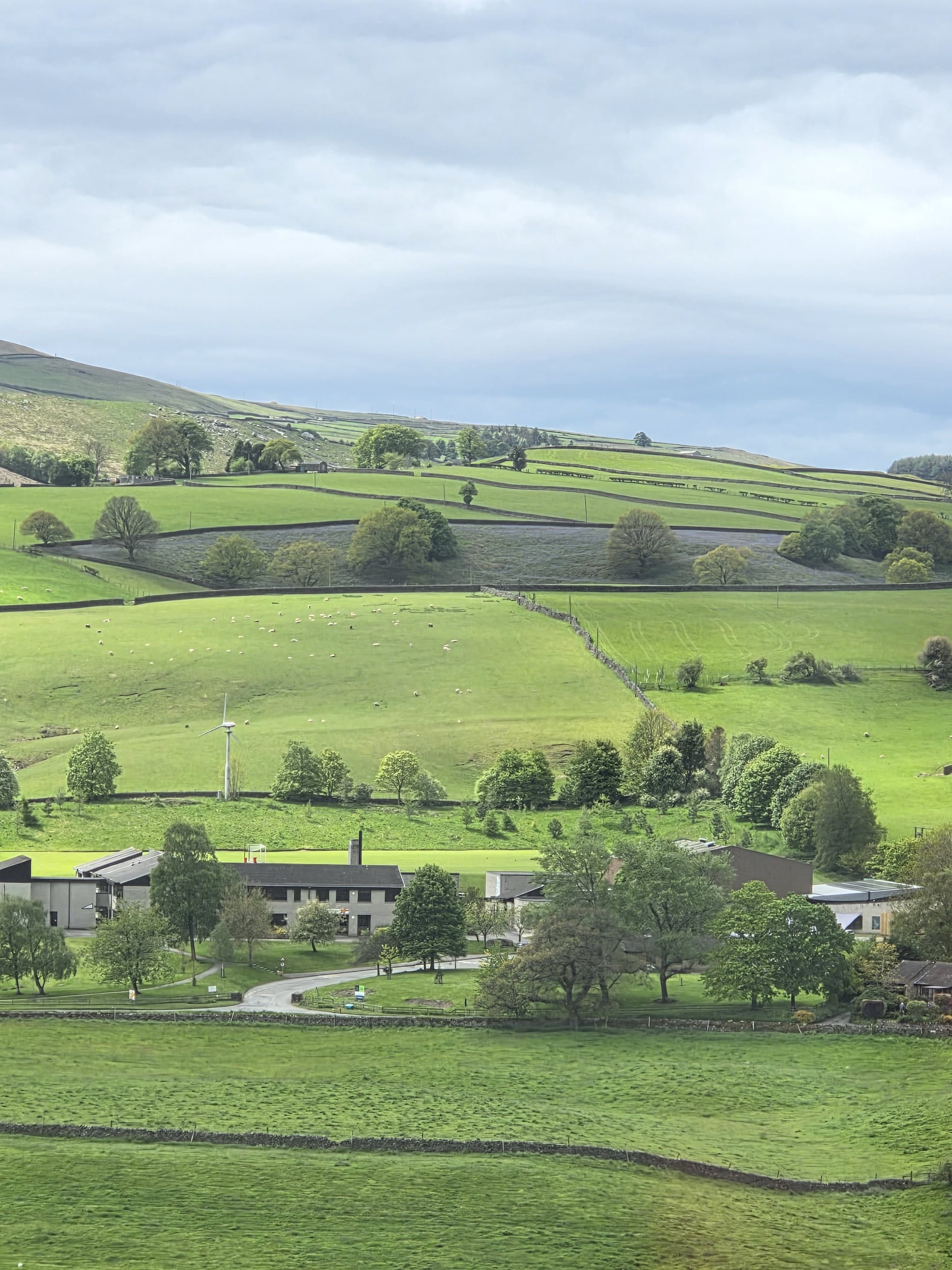
The surviving children grew up in relative isolation, with the wild moorland surrounding Haworth becoming both their playground and, later, a profound influence on their writing. They invented elaborate imaginary worlds together as children, writing tiny handmade books in miniature script, a habit that some scholars see as the earliest evidence of the literary talent that would later flourish.
In 1847, within months of each other, Charlotte, Emily and Anne each published a novel under male pseudonyms, the Bell brothers, a common strategy at the time for women writers seeking to be taken seriously. Charlotte's Jane Eyre, Emily's Wuthering Heights and Anne's Agnes Grey appeared almost simultaneously, an astonishing concentration of major literary talent from one small household. Of the three, only Charlotte lived to see substantial fame and commercial success in her own lifetime.
The family's story ended in tragedy almost as quickly as their literary success had begun. Branwell, Emily and Anne all died within roughly a year of each other between 1848 and 1849, largely from tuberculosis, a disease that thrived in the often unsanitary conditions of 19th-century industrial Yorkshire. Charlotte died in 1855, and Patrick Brontë outlived every one of his six children, dying at the parsonage in 1861. The house was eventually preserved and opened as a museum in 1928, and the Brontë Society has maintained it ever since as one of the most evocative literary house museums in England, its rooms still containing original manuscripts, furniture and possessions.
SEE IT FOR YOURSELF
This history comes alive on the ground. Plan a visit with opening times, directions and what to see.