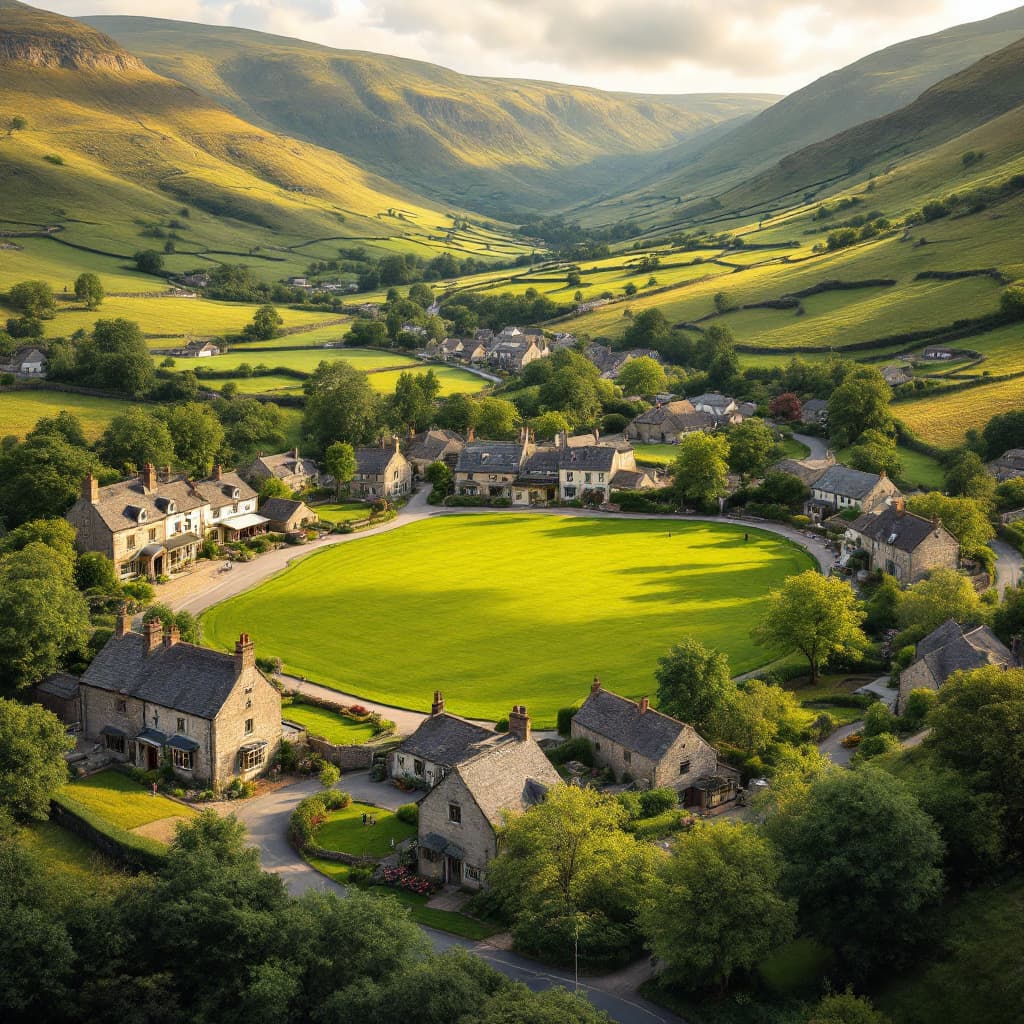
SWALEDALE - 1 HOUR FROM PATELEY BRIDGE
Swaledale
Festival
Two weeks of chamber music, choral concerts, folk sessions and arts events in the villages and barns of Swaledale, one of the most beautiful and remote of the Yorkshire Dales. Running each year from late May into early June, the Swaledale Festival is one of the finest rural arts events in England.
Festival information
- Dates
- Late May to early June each year (Sat 23 May to Sat 6 June 2026)
- Locations
- Venues across Swaledale - Reeth, Keld, Gunnerside, Muker, Low Row and more
- From Pateley Bridge
- Approx 1 hour to Reeth via Masham and Richmond
- Music
- Chamber music, choral, folk, jazz and world music. Recitals, concerts and late-night events.
- Tickets
- See swalefest.org for the programme and booking. Some free events alongside ticketed concerts.
- Website
- www.swalefest.org
What's in the programme
Chamber music
String quartets, piano recitals and song cycles in intimate venues. The festival brings high-quality professional musicians from across the UK and Europe to venues that most of them would never otherwise play.
Choral concerts
A strong choral tradition runs through the festival. Large-scale works in churches alongside smaller choral recitals. The acoustic of the dale's old stone churches suits choral music particularly well.
Folk and traditional
The festival recognises the dale's own musical traditions alongside the classical programme. Sessions and concerts featuring traditional music of the Dales are woven through the fortnight.
Late-night events
Evening events in pubs and village halls that feel more like informal sessions than concerts. A good way to experience the festival in a relaxed atmosphere and to talk to the musicians.
Children's events
Workshops and concerts designed for younger audiences, typically in the first week of the festival. Good for families visiting the dale during half term.
Walking and landscape events
Each year the festival includes events that combine music with the landscape of the dale - outdoor performances, walking concerts and events in barns that connect the music to the natural setting.
The venues
Reeth
The largest village in Swaledale and the festival hub. The village green is one of the finest in the Dales. Several events are held in the village hall and church, and Reeth has good pubs and a cafe for before and after concerts.
Keld
A tiny hamlet in the upper dale, where the River Swale passes through a series of falls. Events here are intimate and the setting - often a barn or small chapel - is unlike any other concert venue in England.
Gunnerside
A former lead mining village in the middle dale, with a Methodist chapel that has excellent acoustics and a character that suits the festival's repertoire of classical chamber music perfectly.
Muker
One of the most photographed villages in the Dales. The church and village hall here host festival concerts, and the village is surrounded by traditional hay meadows filled with wildflowers in June.
ABOUT SWALEDALE
The dale itself
The landscape in late May and June
The timing of the festival is no accident. Late May and early June is when the traditional hay meadows of Swaledale reach their peak - a wildflower display that has almost disappeared from the rest of England. The fields around Muker and Keld are carpeted with buttercups, wood cranesbill and yellow rattle.
The mining heritage
Swaledale was one of the most intensively mined valleys in England, with lead extraction reaching its peak in the 18th and 19th centuries. The ruins of smelt mills and the distinctive hush gullies cut by miners into the hillsides are still visible across the dale.
Staying for the festival
The Swaledale Festival draws visitors from across the UK who stay in the dale for the fortnight. Accommodation in Reeth and the surrounding villages is popular during festival weeks - book ahead. The Reeth pubs fill up after evening concerts and the atmosphere is excellent.
Pateley Bridge and Nidderdale make an excellent base for the festival. The drive to Reeth takes an hour on quiet country roads through some of the finest moorland in the north - the route itself via Masham is well worth doing.